Trauma-Sensitive Meditation Training
Trauma-Sensitive Meditation Training for Professionals – a specialist course for therapists, counsellors, social workers, and yoga and meditation teachers. The Trauma-Sensitive Mindful (Energy) Skills (TSMS) course blends trauma-informed methodology with trauma-sensitive mindful energy awareness to help professionals support young people.
The TSMS course is available in two versions, each designed for a different professional starting point.
Why trauma-sensitive meditation matters
Young people who have experienced trauma respond differently to standard mindfulness and meditation practices. Without a trauma-informed approach, well-intentioned techniques can inadvertently overwhelm and trigger them rather than support.
The TSMS course goes further by combining trauma-sensitive mindful skills with healing energy techniques you won’t find in standard trauma-informed mindfulness training.
This matters in two ways. For the young people you work with, it offers an alternative route in for those who find general mindfulness difficult or inaccessible. For you, it offers practical tools to help manage the compassion fatigue that so often comes with sustained trauma work.
Which course is right for you?
TSMS: Trauma Awareness for Meditation Teachers
This version is for yoga teachers, meditation teachers, and mindfulness practitioners who already teach young people but have no formal training in trauma. If you are bringing meditation into schools, studios, or community settings and want to ensure your practice is safe, informed, and genuinely supportive for young people who have experienced trauma, this is your pathway.
You will build on your existing teaching skills and develop the trauma-sensitive knowledge and energy awareness skills needed to work confidently and responsibly with trauma-experienced young people.
TSMS: Mindful Meditation for Trauma Professionals
This version is for therapists, counsellors, social workers, and other trauma-trained professionals who work with young people but have no background in teaching meditation or mindfulness.
You will develop practical meditation teaching skills specifically shaped for a trauma-sensitive context, so you can guide young people through mindful self-regulation with confidence and care.
What you will gain
Whichever version you choose, the TSMS course equips you with practical, evidence-informed tools to bring directly into your work with young people.
You will learn to help trauma-experienced young people
You will also develop your own sustained practice through integrated teacher self-care.
What participants say
Testimonials from professionals who participated in the pilot study.
Alison Palmer — Child attachment & child psychology therapist
KM — Child specialist
Anon
Course syllabus
The TSMS course comprises 6 hours of study spanning trauma theory, mindful skills, energy awareness, and embodied teaching practice — blending Eastern and Western approaches throughout. Both versions cover the same core syllabus, with content and emphasis tailored to your professional background.
Course Modules
*For meditation professionals, this section will focus more on the impact of trauma on young people and linking to the impact on the nervous system.
Additional support
In addition to the self-study modules, you will receive email support throughout your learning journey.
There is also the option to access live mentoring support from the programme founder through online group support sessions (45 minutes, unrecorded) with Lorraine Murray.
Certification and CPD points
Everyone who completes the modules receives a Certificate of Completion, confirming 6 hours of structured learning that you can log toward your continuing professional development where your professional body accepts self-directed learning.
An assessed certification, for those who want their training formally recognised, is offered to participants on completion of the course.
 About the course creator
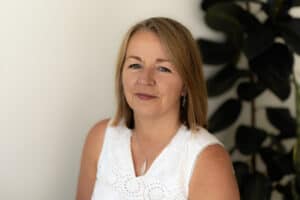
Lorraine E Murray is an author, founder of the Connected Kids Method, and a meditation and energy expert with nearly 25 years of experience and 3 published books about teaching meditation to young people (including SEN & Neurodivergence). She spent ten years working directly with trauma-experienced young people aged 3 to 17, and the TSMS course draws on those insights alongside her deep expertise in mindfulness, energy awareness, and child development. This trauma-sensitive meditation (energy) training is shaped by decades of real-world practice.
How to secure your place
Book a free discovery call — Not sure which option is right for you? Book a free 15-minute call with Lorraine. If the time doesn’t suit, use the contact section to send us an email to request another time/date.
Stay connected!
Join our waitlist, and you’ll be first to hear of new ideas, offers and product launches. You can unsubscribe at any time, no fuss!